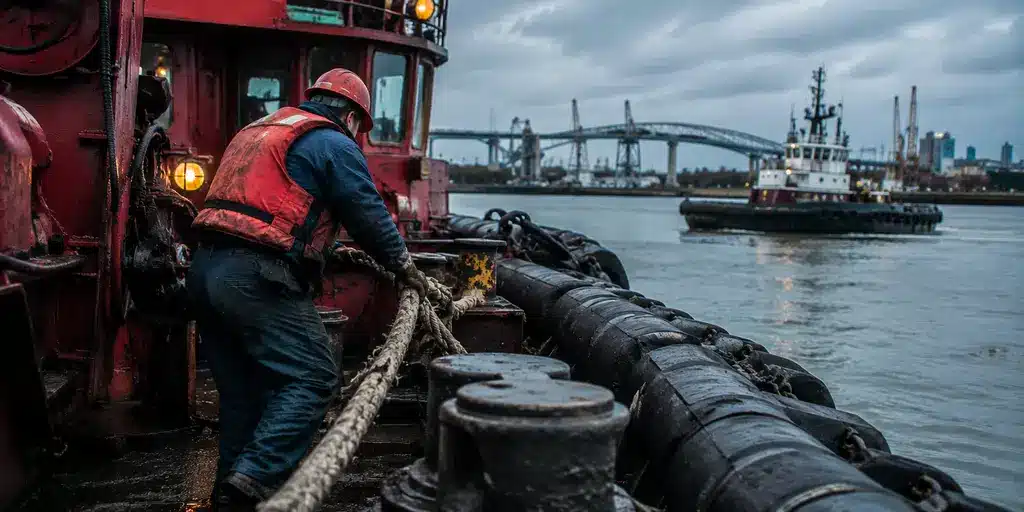
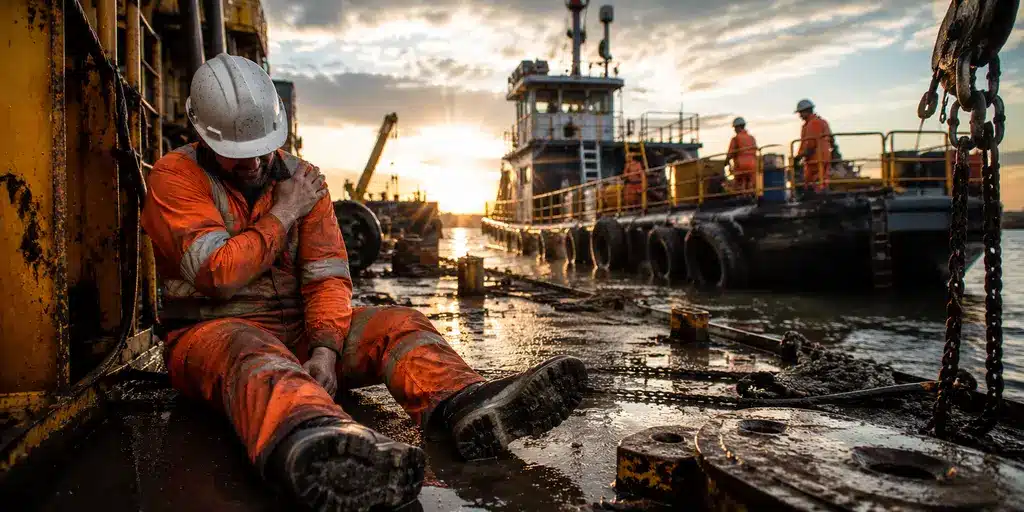
Offshore work is widely recognized as one of the most physically demanding and hazardous industries in Louisiana, with workers often facing significant occupational risks.
Workers on:
- oil rigs
- offshore platforms
- supply vessels
- tugboats
- barges
- drilling operations
- maritime transport vessels
often face hazardous conditions every day.
Heavy machinery, rough weather, confined spaces, slippery surfaces, and dangerous equipment can quickly turn routine operations into life-changing accidents.
When offshore injuries occur, the consequences are often severe.
Many workers suffer:
- long-term disabilities
- permanent injuries
- lost income
- chronic pain
- emotional trauma
Because offshore injuries may involve maritime law, the Jones Act, or other federal legal frameworks depending on the worker’s status and job duties, these cases can be more complex than many ordinary workplace accident claims. (Citation: Cornell Law School — Legal Information Institute (Jones Act) – https://www.law.cornell.edu/wex/jones_act)
Why Offshore Injuries Are Often Serious
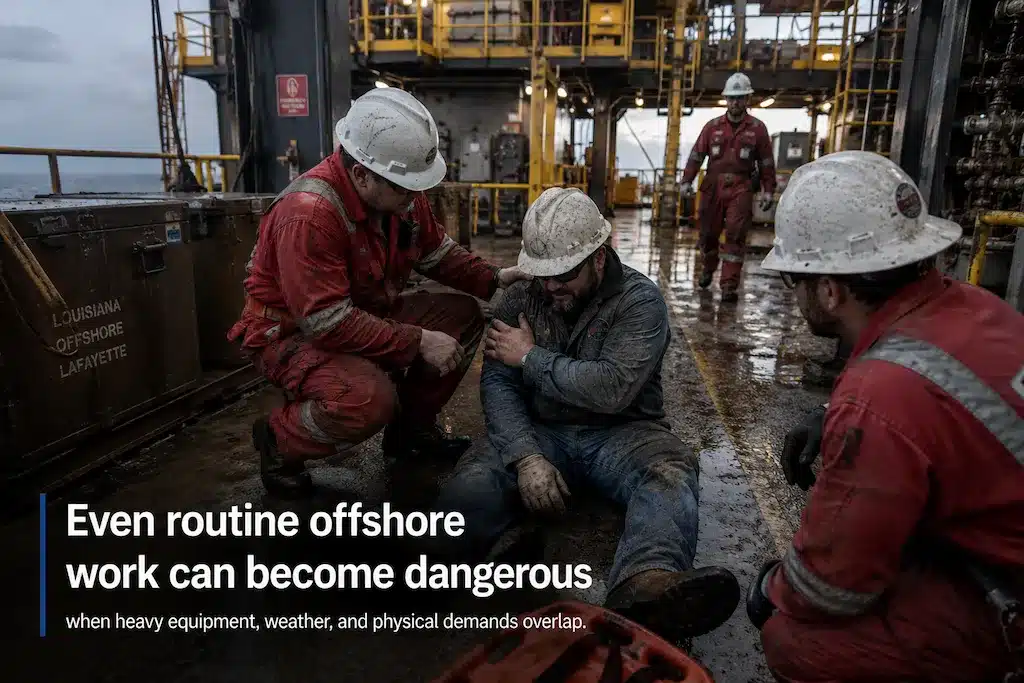
Offshore environments combine:
- industrial equipment
- dangerous weather
- physically demanding labor
- remote locations
- high-risk transportation
Unlike ordinary job sites, offshore workers may spend:
- days or weeks at sea
- working around heavy machinery
- in rapidly changing conditions
Emergency medical access may also be delayed offshore, which can worsen injury outcomes after serious accidents.
1. Back and Spinal Injuries
Back injuries are among the most common offshore injuries.
Offshore workers frequently perform:
- heavy lifting
- repetitive physical labor
- equipment handling
- awkward movement in unstable conditions
Common spinal injuries include:
- herniated discs
- spinal cord trauma
- nerve damage
- lower back injuries
- chronic pain conditions
Serious spinal injuries may require:
- surgery
- rehabilitation
- long-term pain management
- permanent work restrictions
Some offshore workers are unable to return to physically demanding jobs after major spinal injuries.
2. Traumatic Brain Injuries (TBIs)
Head injuries are common on oil rigs and vessels because of:
- falling equipment
- slips and falls
- crane accidents
- confined workspaces
- vessel movement
Traumatic brain injuries can range from concussions to severe permanent neurological damage. (Citation: Centers for Disease Control and Prevention (CDC) — Traumatic Brain Injury information – https://www.cdc.gov/traumatic-brain-injury/)
Symptoms may include:
- headaches
- dizziness
- memory problems
- concentration issues
- mood changes
- vision problems
Severe brain injuries can permanently affect a worker’s ability to earn a living.
3. Crush Injuries
Oil rigs and offshore vessels rely heavily on:
- cranes
- winches
- cables
- drilling machinery
- heavy cargo movement
Workers may become trapped between:
- machinery
- equipment
- cargo loads
- moving vessel components
Crush injuries can lead to:
- fractures
- internal injuries
- amputations
- nerve damage
- permanent disability
These are often catastrophic injury cases involving extensive medical treatment.
4. Burn Injuries and Explosions
Offshore drilling operations involve:
- flammable materials
- fuel systems
- pressurized equipment
- electrical systems
Explosions and fires can cause devastating injuries.
Burn injury victims may suffer:
- severe pain
- infections
- nerve damage
- scarring
- respiratory complications
Severe burn injuries often require:
- skin grafts
- multiple surgeries
- long-term rehabilitation
Some offshore burn accidents become fatal. In serious offshore injury cases, consulting a lawyer experienced in maritime law may help workers understand their legal rights and available options.
5. Slip and Fall Injuries
Slippery offshore surfaces create constant hazards.
Workers may encounter:
- oil-covered decks
- wet walkways
- unstable footing
- poor lighting
- cluttered work areas
Slip and fall accidents may lead to:
- broken bones
- head injuries
- spinal injuries
- shoulder injuries
- knee injuries
Falls from elevated platforms can become especially severe offshore.
6. Shoulder and Knee Injuries
Repeated physical strain and heavy labor commonly affect:
- shoulders
- knees
- joints
Common injuries include:
- torn ligaments
- rotator cuff injuries
- meniscus tears
- dislocations
These injuries can make offshore physical work extremely difficult or impossible long-term.
7. Chemical Exposure Injuries
Offshore workers may be exposed to:
- drilling chemicals
- toxic fumes
- industrial solvents
- hazardous substances
Chemical exposure can sometimes lead to:
- respiratory injuries
- burns
- neurological symptoms
- long-term health complications
Proper safety equipment and procedures are critical in offshore environments.
8. Amputations
Severe machinery accidents can cause traumatic amputations involving:
- fingers
- hands
- arms
- legs
Amputation injuries often create:
- permanent disability
- major psychological trauma
- lifelong medical needs
- career-ending limitations
These are among the most serious offshore injury cases.
9. Injuries During Personnel Transfers
Offshore workers are frequently transported by:
- crew boats
- helicopters
- transfer baskets
- offshore supply vessels
Personnel transfer accidents may occur because of:
- rough weather
- equipment failures
- vessel instability
- operator error
These accidents can result in:
- falls
- drowning risks
- traumatic injuries
- helicopter crash injuries
Transportation-related offshore injuries are often legally complex.
10. Wrongful Death Offshore Accidents
Sadly, some offshore accidents become fatal.
Fatal offshore incidents may involve:
- explosions
- vessel collisions
- falls overboard
- crushing accidents
- equipment failures
- helicopter crashes
Families may face:
- emotional devastation
- financial hardship
- loss of household income
Wrongful death offshore cases may involve various federal maritime laws or other legal frameworks depending on the circumstances, making these claims legally and financially complex.
Common Causes of Offshore Injuries
Many offshore accidents are linked to:
- unsafe work conditions
- inadequate training
- equipment failures
- poor maintenance
- understaffing
- fatigue
- safety violations
- communication failures
Depending on the facts, investigations may examine whether the actions or omissions of employers, contractors, vessel operators, maintenance providers, equipment manufacturers, or other parties contributed to an accident.
Offshore Injuries and the Jones Act
Some offshore workers may qualify for protection under the Jones Act if they meet the legal requirements for seaman status.
Depending on a worker’s legal status and connection to a vessel in navigation, certain maritime laws, including the Jones Act, may allow recovery when employer negligence contributed to the injury.
Jones Act claims differ significantly from ordinary workers’ compensation systems.
Related Read: What Is the Jones Act?
Maintenance and Cure Rights
Injured maritime workers may also have rights to:
maintenance and cure
Qualifying seamen may be entitled to maintenance and cure benefits, which generally include certain medical expenses and daily living allowances regardless of fault, subject to applicable maritime law. (Citation: Cornell Law School — Maintenance and Cure overview – https://www.law.cornell.edu/wex/maintenance_and_cure)
Why Offshore Injury Cases Are Legally Complex
Offshore injury claims often involve:
- maritime law
- federal jurisdiction
- vessel classifications
- multiple contractors
- offshore corporations
- complex insurance policies
Large offshore companies and insurers frequently begin investigating accidents immediately after serious incidents.
Because evidence can disappear quickly offshore, early documentation is extremely important.
The laws that apply depend on factors such as the worker’s job duties, connection to a vessel, and where the injury occurred. Depending on the circumstances, claims may involve the Jones Act, general maritime law, the Longshore and Harbor Workers’ Compensation Act (LHWCA), the Outer Continental Shelf Lands Act (OCSLA), the Death on the High Seas Act (DOHSA), or other applicable laws.
(Citation: U.S. Department of Labor — LHWCA overview (33 U.S.C. §901 et seq.) – https://www.dol.gov/agencies/owcp/dlhwc)
Important Evidence in Offshore Injury Cases
Maritime injury investigations may involve:
- incident reports
- vessel logs
- maintenance records
- witness statements
- safety inspection reports
- training records
- medical evaluations
- communication records
- offshore operation logs
Documentation may play an important role in investigating the circumstances of an accident and supporting claims for liability and damages.
What Should Offshore Workers Do After an Injury?
After an offshore injury:
- report the incident immediately
- seek medical care
- document injuries
- preserve records
- identify witnesses
- avoid minimizing symptoms
- keep copies of all medical treatment
Accurate documentation can become important in potential Jones Act, maritime, or other applicable legal claims. (Citation: U.S. Coast Guard / OSHA guidance on incident reporting and medical care – https://www.osha.gov/maritime)
When Should You Speak With a Louisiana Offshore Injury Lawyer?
Legal guidance may become especially important when:
- injuries are serious
- employers dispute claims
- maintenance and cure payments stop
- permanent disability exists
- multiple companies are involved
– there are questions about whether negligence or other legal factors contributed to the accident
Maritime injury cases are highly specialized and often involve complicated legal and medical issues.
Speak With a Louisiana Offshore Injury Attorney
Offshore injuries can leave workers dealing with:
- major medical expenses
- lost income
- long-term rehabilitation
- permanent physical limitations
J. Minos Simon LTD represents injured offshore and maritime workers in Louisiana claims involving:
- oil rig injuries
- vessel accidents
- Jones Act claims
- offshore platform accidents
- helicopter transportation injuries
- catastrophic maritime injuries
If you were injured while working offshore or on a vessel, the firm offers free consultations to discuss your legal options.
FAQs
What are the most common offshore injuries?
Common offshore injuries include spinal injuries, traumatic brain injuries, burns, crush injuries, fractures, amputations, and slip and fall injuries.
Why are offshore injuries often severe?
Offshore environments involve heavy machinery, dangerous weather, hazardous equipment, and physically demanding labor, increasing the risk of catastrophic injuries.
What is the Jones Act?
The Jones Act is a federal maritime law that may allow qualifying seamen to pursue compensation when employer negligence contributes to a work-related injury.
What is maintenance and cure?
Maintenance and cure is a maritime doctrine that may require employers to provide qualifying seamen with certain medical care and living allowances following work-related injuries, regardless of fault.
What should I do after an offshore injury?
Report the injury, seek medical care, preserve evidence, document the incident, and keep records of treatment and communications.
Disclaimer
Every case is unique. Past results do not guarantee future outcomes. This information is provided for educational purposes only and does not constitute legal advice or create an attorney-client relationship.
References
- Cornell Law School — Legal Information Institute (Jones Act) – https://www.law.cornell.edu/wex/jones_act
- Centers for Disease Control and Prevention (CDC) — Traumatic Brain Injury information – https://www.cdc.gov/traumatic-brain-injury/
- Cornell Law School — Maintenance and Cure overview – https://www.law.cornell.edu/wex/maintenance_and_cure
- U.S. Department of Labor — LHWCA overview (33 U.S.C. §901 et seq.) – https://www.dol.gov/agencies/owcp/dlhwc
- U.S. Coast Guard / OSHA guidance on incident reporting and medical care – https://www.osha.gov/maritime