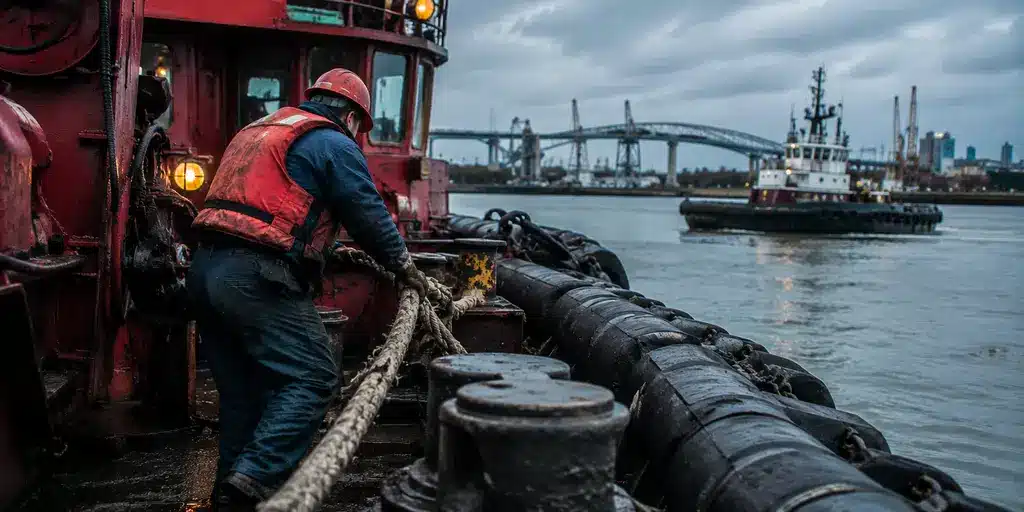
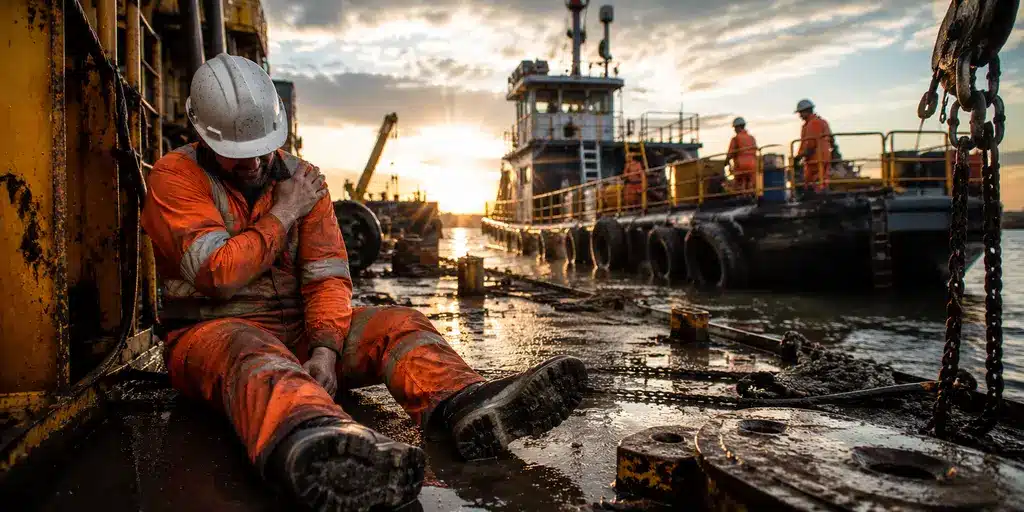
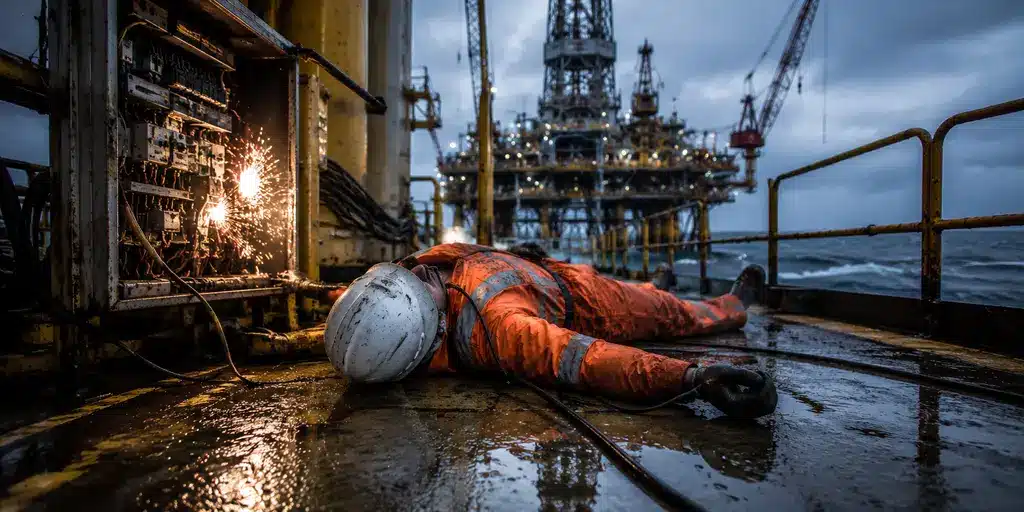
Working offshore often means navigating narrow walkways, metal stairs, open decks, and constantly changing weather conditions.
While slips and falls may sound like minor accidents, they can lead to devastating injuries when they occur aboard vessels surrounded by heavy equipment, moving machinery, and open water.
Many of these accidents are preventable through proper maintenance, housekeeping, and safety practices.
Quick Answer
Slip and fall accidents are among the most common offshore injuries. Wet decks, oil spills, poor housekeeping, damaged walking surfaces, and missing safety features can all contribute to serious accidents. Depending on the circumstances, injured offshore workers may have legal rights under the Jones Act, general maritime law, or other maritime statutes.
Why Slip and Fall Accidents Are Common Offshore
Unlike offices or traditional workplaces, offshore vessels operate in constantly changing environments.
Workers routinely encounter:
- wet steel decks
- seawater
- drilling fluids
- hydraulic oil
- grease
- uneven walking surfaces
- changing weather conditions
These hazards make fall prevention an important part of offshore safety.
What This Means
A slippery deck alone does not automatically mean someone is legally responsible. The investigation often focuses on whether unsafe conditions existed, whether they should have been corrected, and whether reasonable safety measures were taken.
Common Causes of Offshore Slip and Fall Accidents
Many slip and fall accidents occur because hazardous walking conditions are not addressed promptly.
1. Oil and Grease on Decks
Leaks from machinery or offshore equipment failures may leave walking surfaces dangerously slippery. Without proper cleanup, workers may lose their footing unexpectedly.
Without proper cleanup, workers may lose their footing unexpectedly.
2. Water Accumulation
Rain, waves, washdowns, or drainage problems can leave standing water on decks and stairways.
Water combined with smooth metal surfaces significantly increases fall risks.
3. Poor Housekeeping
Loose hoses, tools, cables, and debris left in walkways create tripping hazards.
Good housekeeping practices are essential aboard offshore vessels.
4. Damaged Deck Surfaces
Workers may encounter:
- worn anti-slip coatings
- loose deck plates
- uneven flooring
- deteriorated walking surfaces
Proper maintenance helps reduce these hazards.
5. Missing or Damaged Handrails
Handrails provide critical support on moving vessels.
Broken or missing handrails can increase the likelihood of falls, particularly on stairways and elevated work areas.
6. Inadequate Lighting
Poor visibility may prevent workers from identifying hazards, especially during nighttime operations or in enclosed areas.
Where Do These Accidents Commonly Occur?
Slip and fall accidents frequently happen in areas such as:
- exterior decks
- stairways
- engine rooms
- offshore crane work areas
- loading zones
- catwalks
- gangways
- accommodation areas
Each location presents different safety challenges depending on weather, vessel movement, and ongoing operations.
Common Injuries Caused by Offshore Falls
Falls aboard offshore vessels can result in serious injuries because workers may strike steel structures, equipment, or multiple levels before coming to rest.
Common injuries include:
- fractures
- traumatic brain injuries
- spinal injuries
- shoulder injuries
- knee injuries
- hip fractures
- neck injuries
- back injuries
Some workers require surgery and lengthy rehabilitation before returning to work.
What This Means
The severity of an offshore fall often depends on where it occurs. A fall on a flat deck may result in different injuries than a fall down a stairway or from an elevated work platform. In catastrophic cases where a fall proves fatal, families may need to explore maritime wrongful death claims.
Who May Be Responsible?
Depending on the facts, responsibility may involve:
- Employers: Employers may be responsible for failing to maintain safe working conditions or address known hazards.
- Vessel Owners: Unsafe vessel conditions may create legal responsibilities under maritime law.
- Contractors: Third-party contractors performing maintenance or cleaning may contribute to unsafe conditions.
- Equipment Maintenance Companies: Companies responsible for maintaining vessel equipment may contribute if leaks or defective systems create dangerous walking surfaces.
Determining responsibility depends on how the accident occurred and who controlled the hazardous condition.
Can the Jones Act Apply?
Many offshore workers qualify as seamen under the Jones Act.
If employer negligence contributed to a slip and fall accident, an injured worker may have a Jones Act claim.
Examples of employer negligence may include:
- failing to clean spills
- ignoring reported hazards
- inadequate safety procedures
- insufficient training
- failure to inspect work areas
In addition to negligence claims, qualifying seamen are entitled to basic financial protection, including maintenance and cure, regardless of who was at fault for the fall.
Can an Unseaworthiness Claim Apply?
In some situations, yes.
A vessel may be considered unseaworthy if unsafe walking surfaces, defective equipment, or inadequate safety features make a vessel unseaworthy.
These claims differ from Jones Act negligence claims and may exist at the same time.
What Compensation May Be Available?
Depending on the applicable maritime law, compensation may include:
- Medical Expenses: Emergency care, surgery, rehabilitation, and future treatment.
- Lost Wages: Income lost while recovering from injuries.
- Future Loss of Earning Capacity: Compensation when injuries prevent a return to offshore work.
- Pain and Suffering: Physical pain and emotional distress may be recoverable in appropriate cases.
- Permanent Disability: Serious falls can result in lasting physical limitations.
What Evidence Helps Support a Slip and Fall Claim?
Important evidence may include:
- photographs of the hazard
- incident reports
- maintenance records
- cleaning logs
- witness statements
- surveillance footage
- inspection reports
- weather records
Because conditions may change quickly after an accident, preserving evidence is often important.
What Should You Do After an Offshore Slip and Fall?
If possible:
- Seek immediate medical attention
- Report the accident to a supervisor
- Photograph the hazardous condition if it is safe to do so
- Identify witnesses
- Follow all medical recommendations
- Preserve documentation related to the incident
Why These Cases Require Careful Investigation
A slip and fall accident may appear straightforward, but investigations often examine:
- how long the hazard existed
- whether inspections were performed
- maintenance practices
- housekeeping procedures
- weather conditions
- vessel safety policies
The answers to these questions may affect liability.
When Should You Contact a Louisiana Maritime Lawyer?
Legal guidance may be especially important when:
- serious injuries occur
- unsafe vessel conditions contributed to the fall
- negligence is suspected
- multiple companies are involved
- Jones Act rights may apply
Early investigation by a Louisiana maritime accident lawyer or an offshore injury lawyer may help preserve evidence before conditions change on the vessel.
Speak With a Louisiana Offshore Injury Attorney
Slip and fall accidents aboard offshore vessels can lead to serious injuries and long-term financial challenges. J. Minos Simon, LTD represents Louisiana maritime workers in claims involving:
- offshore slip and fall accidents
- Jones Act claims
- maritime negligence
- unseaworthiness claims
- offshore injury claims
If you were injured aboard a vessel, reach out to our team via our contact us page. The firm offers free consultations to discuss your legal rights and options.
FAQs
What causes most slip and fall accidents on offshore vessels?
Common causes include wet decks, oil spills, poor housekeeping, damaged walking surfaces, inadequate lighting, and missing or damaged handrails.
Can I file a Jones Act claim after an offshore slip and fall?
If you qualify as a seaman and employer negligence contributed to your injury, you may have rights under the Jones Act.
What injuries are common after an offshore fall?
Falls frequently result in fractures, spinal injuries, traumatic brain injuries, shoulder injuries, knee injuries, and other serious orthopedic injuries.
Who may be responsible for a slip and fall offshore?
Depending on the facts, responsibility may involve employers, vessel owners, contractors, or others responsible for maintaining safe working conditions.
What evidence is helpful after an offshore slip and fall?
Photographs, incident reports, maintenance records, witness statements, inspection reports, and weather records often play an important role.
Recommended Authority Sources
- Jones Act (46 U.S.C. § 30104)
- Occupational Safety and Health Administration (OSHA)
- U.S. Coast Guard
- Bureau of Safety and Environmental Enforcement (BSEE)
- American Petroleum Institute (API) Recommended Practices
- Cornell Law School Legal Information Institute (LII)
Disclaimer: This article is for informational purposes only and does not constitute legal advice. Every offshore injury case is unique, and the laws that apply depend on the specific facts. Consult a qualified Louisiana maritime attorney regarding your situation.