Most personal injury claims in Louisiana are based on one legal concept:
Negligence
Whether the accident involves a car crash, truck collision, pedestrian injury, offshore accident, or wrongful death, the injured person generally must show that someone else’s careless actions caused harm.
Understanding negligence is important because it often determines whether compensation may be available after an accident.
What Does Negligence Mean?
In simple terms, negligence occurs when a person or company fails to use reasonable care and causes injury to someone else.
Negligence does not require intentional wrongdoing.
Instead, it involves conduct that falls below what a reasonably careful person would do under similar circumstances.
Examples include:
- texting while driving
- speeding
- running a red light
- failing to maintain safe property conditions
- ignoring known safety hazards
- failing to follow workplace safety procedures
When that careless conduct causes injury, a personal injury claim may arise. Individuals who have suffered harm due to another party’s carelessness may have grounds to pursue a personal injury claim under Louisiana law. Learn more about the process in our guide on How Does a Personal Injury Claim Work in Louisiana?
Why Negligence Matters in Personal Injury Cases
Negligence serves as the foundation for many Louisiana injury claims, including:
- car accidents
- truck accidents
- motorcycle accidents
- pedestrian accidents
- slip and fall accidents
- wrongful death claims
- maritime injury cases
If negligence cannot be established, recovering compensation may become more difficult. This is why many accident victims seek guidance from an experienced Louisiana personal injury lawyer when evaluating their legal options.
The Four Elements of Negligence
In most personal injury cases, four elements must generally be established.
1. Duty of Care
The first question is whether the responsible party owed a legal duty to the injured person.
Examples include:
- Drivers: Drivers must operate vehicles safely and obey traffic laws.
- Property Owners: Property owners must take reasonable steps to keep premises reasonably safe.
- Employers: Employers must provide reasonably safe working conditions.
- Commercial Trucking Companies: Motor carriers must follow federal and state safety regulations.
2. Breach of Duty
The next issue is whether the duty was violated.
A breach occurs when someone acts carelessly or fails to act reasonably.
Examples include:
- distracted driving
- speeding
- failing to repair dangerous conditions
- violating safety regulations
- operating defective equipment
3. Causation
The injured person must generally show that the breach caused the injury.
For example:
A distracted driver runs a red light and causes a collision.
The driver’s negligence directly contributes to the resulting injuries.
Without causation, a negligence claim may fail even if careless conduct occurred.
4. Damages
Finally, actual harm must exist.
Damages may include:
- medical expenses
- lost wages
- pain and suffering
- property damage
- permanent disability
Without damages, there may be no compensable injury claim.
Common Examples of Negligence in Louisiana
Negligence can occur in many different situations.
Car Accidents
Examples include:
- texting while driving
- speeding
- drunk driving
- failure to yield
- running stop signs
Truck Accidents
Examples include:
- driver fatigue
- hours-of-service violations
- improper maintenance
- distracted driving
- overloaded cargo
Motorcycle Accidents
Negligence may occur when drivers:
- fail to see motorcyclists
- make unsafe lane changes
- turn in front of motorcycles
Pedestrian Accidents
Common examples include:
- failure to yield at crosswalks
- distracted driving
- speeding in pedestrian areas
Premises Liability Cases
Property owners may be negligent when they fail to address:
- slippery floors
- broken stairs
- inadequate lighting
- known hazards
What Evidence Helps Prove Negligence?
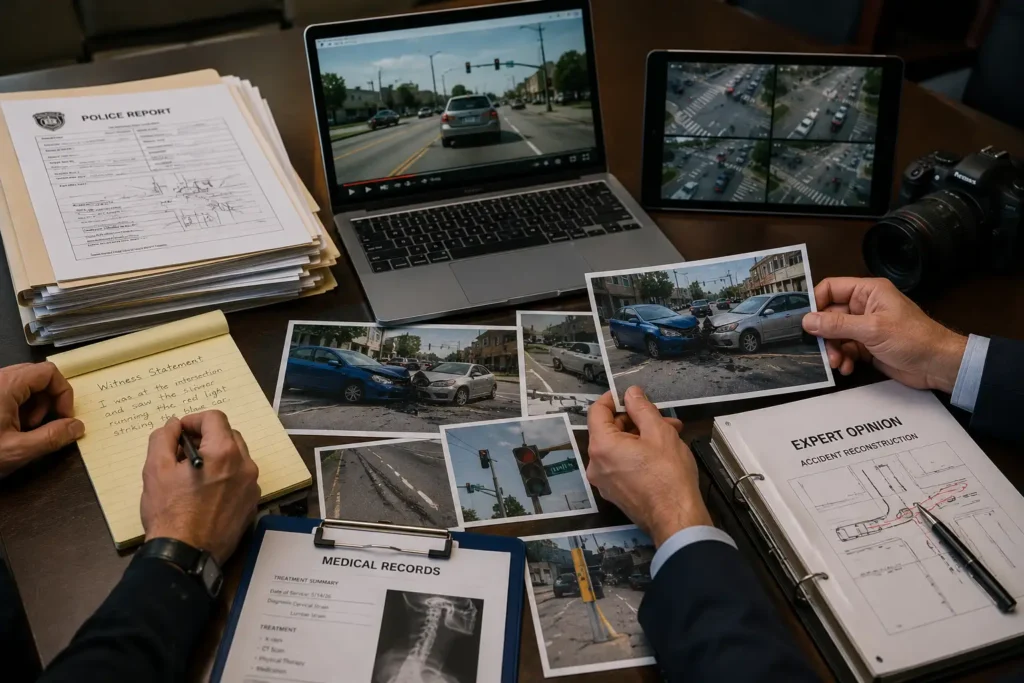
Evidence often plays a major role in personal injury claims.
Important evidence may include:
Police Reports
Official reports may document how an accident occurred.
Witness Statements
Independent witnesses often provide valuable information.
Photographs
Photos may help establish dangerous conditions and accident circumstances.
Video Footage
Traffic cameras, surveillance systems, and dashcams can be important sources of evidence.
Medical Records
Medical documentation helps establish injuries and treatment.
Expert Opinions
In some cases, accident reconstruction experts or other specialists may assist in determining fault.
Louisiana Comparative Fault Rules
One important aspect of Louisiana law is Comparative Fault
In some cases, more than one person may share responsibility for an accident.
For example:
A driver is speeding.
Another driver runs a stop sign.
Both parties may share fault.
Under Louisiana’s comparative fault system, compensation may be reduced by the percentage of fault assigned to the injured person.
This is why determining fault accurately is often important in personal injury cases.
Does Negligence Mean Someone Intended to Cause Harm?
No.
Most negligence cases involve mistakes, poor judgment, or careless conduct.
Intentional misconduct and negligence are different legal concepts.
Many injury claims arise because someone failed to act reasonably—not because they intended to cause harm.
Can a Company Be Negligent?
Yes.
Businesses and organizations may also be responsible for negligence.
Examples include:
- trucking companies
- employers
- property owners
- contractors
- manufacturers
A company may be liable when its actions or omissions contribute to an injury.
What Compensation May Be Available?
Depending on the facts of the case, compensation may include:
Medical Expenses
- emergency treatment
- hospitalization
- surgery
- rehabilitation
Lost Wages
Income lost during recovery.
Future Earnings Losses
Compensation for reduced earning capacity.
Pain and Suffering
Physical pain and emotional distress.
Property Damage
Vehicle repairs and replacement costs.
Permanent Disability
Long-term impairments affecting future quality of life.
In some cases, obtaining fair compensation may require negotiating with insurance companies or pursuing litigation. Learn more about the differences between a personal injury settlement vs. trial and how each approach may impact a case.
Why Negligence Cases Are Often Disputed
Insurance companies frequently challenge:
- who caused the accident
- the extent of injuries
- whether treatment was necessary
- whether comparative fault applies
Because compensation often depends on proving negligence, insurers may aggressively dispute liability. A thorough investigation conducted by an experienced personal injury attorney can help strengthen a claim.
When Should You Contact a Louisiana Personal Injury Lawyer?
Legal guidance may be especially important when:
- serious injuries occur
- fault is disputed
- multiple parties are involved
- insurance companies deny responsibility
- significant damages are involved
Early investigation can help preserve important evidence.
If you are unsure whether you need legal representation, review these factors explaining when you should hire a personal injury lawyer after an accident.
Speak With a Louisiana Personal Injury Attorney
If you were injured because of someone else’s negligence, you may have legal rights under Louisiana law.
J. Minos Simon, LTD represents injury victims throughout Louisiana in cases involving:
- car accidents
- truck accidents
- motorcycle accidents
- pedestrian accidents
- wrongful death claims
- maritime injuries
The firm offers free consultations to discuss your situation and explain your legal options. Contact the firm today to discuss your case.
FAQs
What is negligence under Louisiana law?
Negligence generally occurs when a person or company fails to use reasonable care and causes injury to another person.
What must be proven in a negligence case?
Most negligence claims involve proving duty, breach of duty, causation, and damages.
Can I recover compensation if I was partially at fault?
Potentially. Louisiana follows a comparative fault system that may allow recovery even when multiple parties share responsibility.
What evidence helps prove negligence?
Police reports, witness statements, photographs, medical records, video footage, and expert opinions often help establish negligence.
Is negligence the same as intentional wrongdoing?
No. Negligence generally involves careless conduct rather than deliberate actions intended to cause harm.
Recommended Authority Sources
- Louisiana Civil Code Article 2315
- Louisiana Legislature
- Louisiana Department of Transportation and Development (DOTD)
- Louisiana Office of Motor Vehicles
- Cornell Law School Legal Information Institute (LII)
- Louisiana Supreme Court decisions involving negligence and comparative fault
Disclaimer: This article is for informational purposes only and does not constitute legal advice. Every personal injury case is unique. Consult a qualified Louisiana personal injury attorney regarding your specific situation.