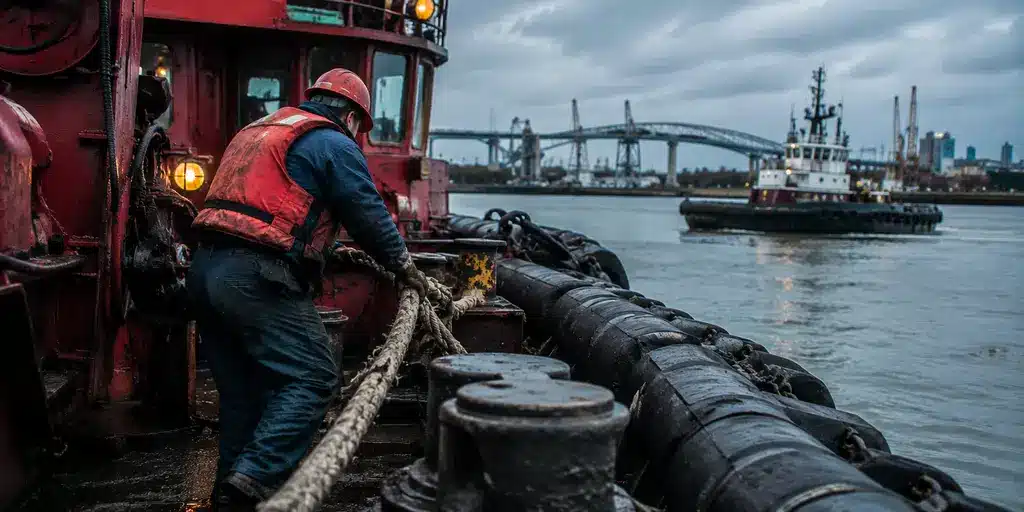
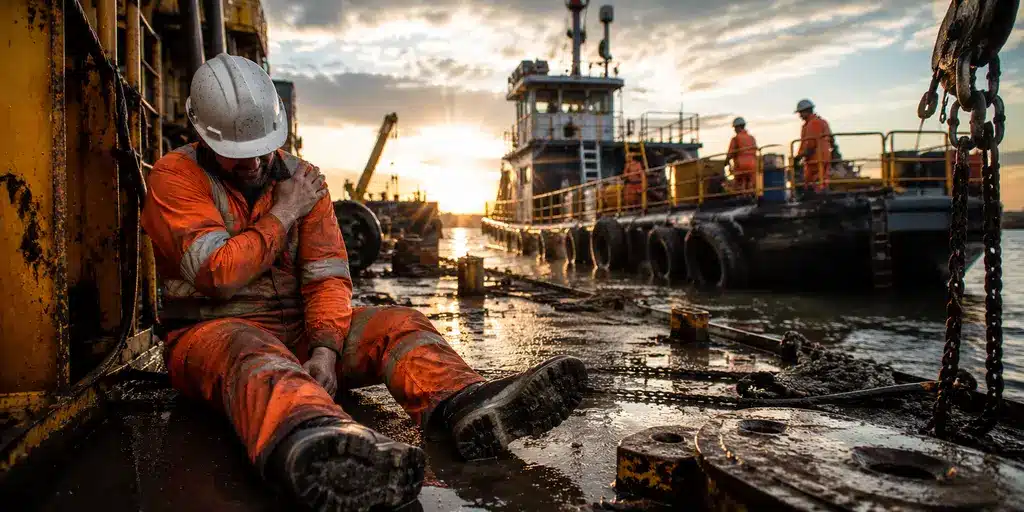
Offshore explosions and fires are among the most catastrophic accidents that can occur in the maritime industry.
Unlike many workplace accidents, explosions and fires often cause severe injuries affecting multiple workers at once. Victims may suffer extensive burns, traumatic injuries, respiratory damage, and permanent disabilities.
For Louisiana offshore workers, understanding their legal rights after a serious explosion or fire is critical. Depending on the circumstances, injured workers may have claims under maritime law, the Jones Act, unseaworthiness doctrines, or other legal remedies.
Why Offshore Explosions and Fires Are So Dangerous
Offshore platforms, drilling rigs, vessels, and production facilities routinely handle:
- natural gas
- crude oil
- flammable chemicals
- high-pressure systems
- heavy industrial equipment
When safety systems fail, even a small problem can rapidly escalate into a catastrophic event.
Because offshore workers often operate far from shore, emergency medical treatment may be delayed, increasing the severity of injuries.
Common Causes of Offshore Explosions and Fires
Most offshore explosions are preventable.
Common causes include:
Gas Leaks
Natural gas leaks can create highly explosive conditions when ignition sources are present.
Equipment Failures
Malfunctioning pumps, valves, pressure systems, and drilling equipment may trigger fires or explosions.
Electrical Malfunctions
Faulty wiring, damaged electrical components, and inadequate maintenance can create ignition sources.
Poor Maintenance
Failure to inspect and repair equipment may allow dangerous conditions to develop over time.
Welding and Hot Work Operations
Cutting, grinding, and welding activities may ignite flammable materials if proper precautions are not followed.
Human Error
Mistakes involving safety procedures, equipment operation, communication failures, or inadequate training may contribute to catastrophic accidents.
Common Offshore Fire and Explosion Injuries
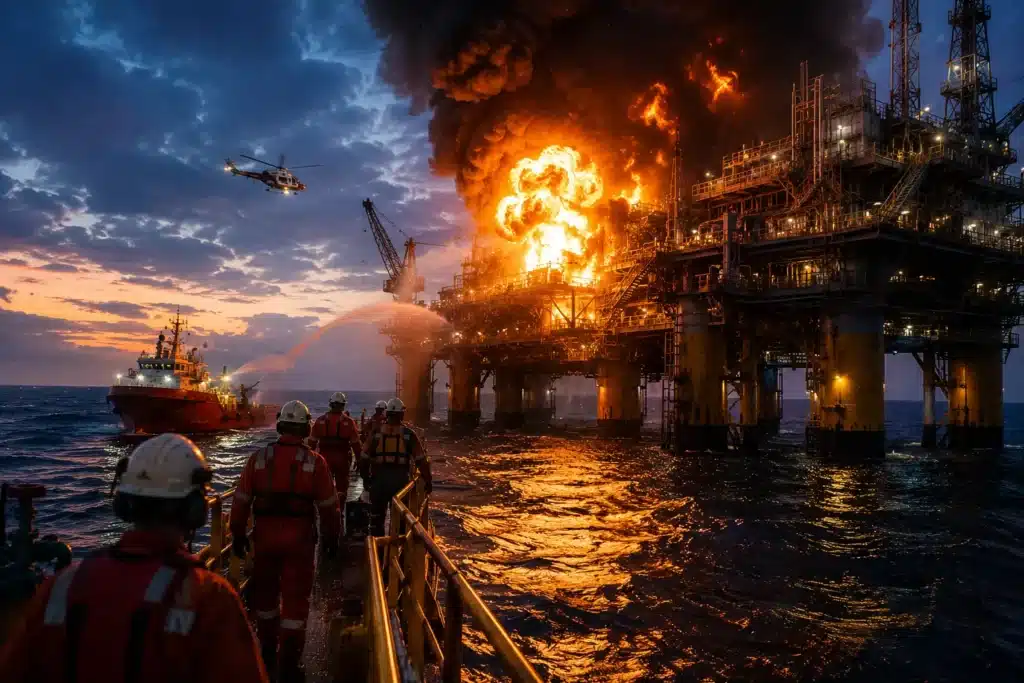
These accidents often cause severe and life-changing injuries.
Burn Injuries
Burns may range from minor skin injuries to catastrophic third-degree burns requiring multiple surgeries and skin grafts.
Common types include:
- thermal burns
- chemical burns
- electrical burns
Smoke Inhalation Injuries
Workers exposed to smoke may suffer:
- lung damage
- respiratory complications
- oxygen deprivation
- long-term breathing difficulties
Blast Injuries
The force of an explosion may cause:
- traumatic brain injuries
- hearing loss
- eye injuries
- internal organ damage
Orthopedic Injuries
Explosions frequently cause:
- fractures
- crush injuries
- spinal injuries
- joint damage
Psychological Trauma
Many workers experience emotional injuries after catastrophic accidents, including:
- anxiety
- depression
- post-traumatic stress disorder (PTSD)
For more information about the types of injuries that can occur in offshore environments, see common offshore injuries involving oil rigs and vessels.
Who May Be Responsible for an Offshore Explosion?
Multiple parties may potentially contribute to offshore accidents.
Depending on the circumstances, investigations may focus on:
Vessel Owners
Unsafe vessel conditions may create liability.
Employers
Negligent supervision, inadequate training, or unsafe work practices may contribute to accidents.
Offshore Contractors
Third-party contractors frequently perform maintenance, inspection, and operational services.
Equipment Manufacturers
Defective equipment may contribute to fires and explosions.
Platform Operators
Operators may bear responsibility for maintaining safe conditions on offshore facilities.
Determining liability often requires a thorough investigation.
Jones Act Claims After Offshore Explosions
Many offshore workers qualify as seamen under The Jones Act.
The Jones Act allows qualifying workers to pursue claims when employer negligence contributes to an injury.
Workers can learn more about whether they meet the legal requirements by reviewing who qualifies as a seaman under the Jones Act.
Examples may include:
- inadequate training
- unsafe procedures
- failure to address hazards
- insufficient staffing
- safety violations
Jones Act claims may allow compensation beyond what traditional workers’ compensation systems provide.
For more information about how offshore injury claims differ from traditional workplace claims, see Jones Act vs Workers’ Compensation.
Unseaworthiness Claims
Offshore workers may also have claims involving:
Unseaworthiness
A vessel may be considered unseaworthy when unsafe conditions, defective equipment, or inadequate crew members make it unfit for its intended purpose.
Examples may include:
- defective safety systems
- malfunctioning equipment
- inadequate fire suppression systems
- unsafe vessel conditions
Unseaworthiness claims are separate from Jones Act negligence claims and may exist simultaneously.
Learn more about what makes a vessel unseaworthy.
Maintenance and Cure Benefits
Many injured seamen may be entitled to Maintenance and Cure.
Maintenance may help cover basic living expenses during recovery.
Cure may provide medical treatment until Maximum Medical Improvement is reached.
These benefits may apply regardless of who caused the accident.
What Compensation May Be Available?
Depending on the circumstances, injured offshore workers may seek compensation for:
Medical Expenses
- hospitalization
- surgeries
- rehabilitation
- medications
- future medical treatment
Lost Income
- missed wages
- reduced earning capacity
- future income losses
Pain and Suffering
Compensation may be available for physical pain and emotional distress.
Permanent Disabilities
Catastrophic injuries often create long-term limitations that affect future employment and quality of life.
Disfigurement and Scarring
Severe burn injuries frequently result in permanent scarring.
What Evidence Is Important After an Offshore Explosion?
Evidence often plays a major role in maritime injury claims.
Important evidence may include:
- incident reports
- maintenance records
- inspection records
- safety audits
- witness statements
- photographs
- video recordings
- equipment testing results
Because companies often begin investigating immediately after serious accidents, preserving evidence can be critical.
What Should You Do After an Offshore Explosion or Fire?
If possible:
- Seek Medical Attention: Protect your health and document injuries.
- Report the Incident: Ensure the accident is properly documented.
- Preserve Evidence: Keep photographs, records, and witness information whenever available.
- Follow Medical Recommendations: Consistent treatment may help both recovery and documentation.
- Avoid Speculation: Do not make assumptions regarding fault before investigations are completed.
Why Offshore Explosion Cases Are Often Complex
These cases frequently involve:
- maritime law
- federal regulations
- multiple responsible parties
- extensive safety investigations
- catastrophic injuries
Determining what happened often requires reviewing technical evidence and industry safety standards.
When Should You Contact a Louisiana Maritime Injury Lawyer?
Legal guidance may be particularly important when:
- serious burns occur
- multiple workers are injured
- negligence is suspected
- maintenance failures contributed to the incident
- Jones Act rights may apply
- employers dispute responsibility
Early investigation can help preserve important evidence.
If the accident involved a vessel or maritime operation, a Louisiana Maritime Accident Attorney can help injured workers understand their legal options.
Speak With a Louisiana Offshore Injury Attorney
Offshore explosions and fires can leave workers and families facing overwhelming medical, financial, and emotional challenges.
J. Minos Simon, LTD represents Louisiana maritime workers in claims involving:
- offshore explosions
- offshore fires
- Jones Act injuries
- unseaworthiness claims
- catastrophic maritime injuries
When offshore accidents result in fatalities, families may need to understand their legal options through maritime wrongful death claims.
If you were injured in an offshore explosion or fire, the firm offers free consultations to discuss your legal rights and options.
You can contact the firm to learn more about your legal options after a maritime injury.
FAQs
Can offshore workers sue after an explosion?
Depending on the circumstances, qualifying maritime workers may have legal claims under the Jones Act, unseaworthiness doctrines, or other maritime laws.
What injuries are common after offshore explosions?
Common injuries include burns, smoke inhalation injuries, traumatic brain injuries, fractures, spinal injuries, and psychological trauma.
What causes most offshore explosions?
Gas leaks, equipment failures, electrical malfunctions, poor maintenance, safety violations, and human error are among the most common causes.
Can I receive compensation for burn injuries?
Potentially. Compensation may be available for medical expenses, lost wages, pain and suffering, permanent disabilities, and other damages depending on the facts of the case.
What should I do immediately after an offshore fire?
Seek medical treatment, report the incident, preserve evidence, and follow medical recommendations.
Recommended Authority Sources
- U.S. Coast Guard
- Bureau of Safety and Environmental Enforcement (BSEE)
- Occupational Safety and Health Administration (OSHA)
- Jones Act (46 U.S.C. § 30104)
- National Institute for Occupational Safety and Health (NIOSH)
- U.S. Department of Labor
Disclaimer: This article is for informational purposes only and does not constitute legal advice. Maritime injury claims depend on the specific facts and circumstances of each case. Consult a qualified Louisiana maritime attorney regarding your situation.