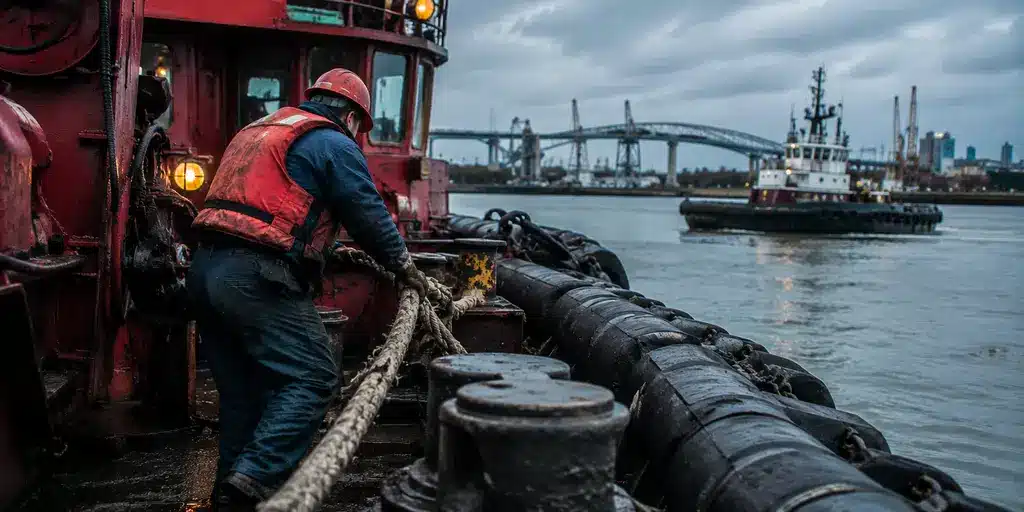
Crew transfers are among the most hazardous tasks performed in the offshore industry.
Unlike many workplace accidents, crew transfer injuries often occur while workers are moving between two constantly shifting structures—such as a crew boat and an offshore platform or drilling rig. Even routine transfers can become dangerous when weather, equipment failures, or unsafe procedures are involved.
For Louisiana offshore workers, understanding how these accidents happen and what legal options may be available is an important part of protecting their rights after an injury.
Quick Answer
If you are injured while transferring between a vessel and an offshore platform, you may have legal rights under the Jones Act, general maritime law, or other federal laws. Liability depends on the circumstances of the accident, including whether unsafe equipment, poor procedures, or negligence contributed to your injuries.
What Is a Crew Transfer?
A crew transfer is the process of moving offshore workers between:
- crew boats and oil platforms
- offshore supply vessels and drilling rigs
- barges and fixed platforms
- vessels and floating production facilities
Transfers may involve:
- personnel baskets
- swing ropes
- gangways
- walk-to-work systems
- vessel-to-vessel transfers
Although these methods are widely used, they require careful planning and strict safety procedures.
What This Means
A crew transfer is not simply “getting on or off a boat.” Workers are often transferring between moving vessels in changing sea conditions while carrying equipment. Because multiple companies may be involved, determining legal responsibility after an accident can be more complicated than in many other common offshore injuries.
Why Are Crew Transfers So Dangerous?
Several factors increase the risk of injury during offshore transfers.
- Changing Sea Conditions: Wind, waves, and vessel movement can make transfers unpredictable.
- Vessel Motion: Even calm seas can cause sudden movement between vessels or platforms.
- Limited Visibility: Night operations, rain, and fog may reduce visibility during transfers.
- Heavy Equipment: Workers often carry tools or safety gear while boarding or leaving vessels.
- Time Pressure: Operational demands can sometimes create pressure to complete transfers quickly.
Common Causes of Crew Transfer Accidents
Many accidents result from preventable hazards.
Examples include:
Unsafe Transfer Procedures
Failure to follow established safety protocols may increase the risk of injury.
Equipment Failures
Personnel baskets, gangways, cranes, or lifting equipment may malfunction if not properly maintained.
Related: Equipment Failures Offshore: When Machinery Causes Serious Injuries (2026 Guide)
Poor Communication
Miscommunication between vessel crews and platform personnel can create dangerous situations.
Inadequate Training
Workers should receive proper instruction before participating in offshore transfers.
Unsafe Weather Decisions
Continuing transfers during hazardous weather conditions may increase the likelihood of an accident.
Inadequate Supervision
Failure to coordinate or supervise transfer operations can contribute to injuries.
Common Crew Transfer Injuries
Because transfers involve moving equipment and unstable surfaces, injuries can be severe.
Common injuries include:
- fractures
- traumatic brain injuries
- spinal cord injuries
- shoulder injuries
- knee injuries
- crush injuries
- lacerations
- drowning incidents
- hypothermia following slips and falls into the water
Some workers require extensive rehabilitation before returning to offshore employment. In the most severe cases, family members may be left dealing with maritime wrongful death claims.
Who May Be Responsible?
Several parties may potentially share responsibility.
Depending on the circumstances, investigations may involve:
- vessel owners
- offshore employers
- platform operators
- third-party contractors
- crane operators
- equipment manufacturers
Every accident is unique, and liability depends on the specific facts.
What This Means
A crew transfer accident is not always the fault of one employer. If defective equipment, poor coordination, or unsafe working conditions contributed to the incident, more than one company may potentially bear legal responsibility.
Can the Jones Act Apply?
Many offshore workers injured during crew transfers qualify as seamen under the Jones Act.
If employer negligence contributed to the accident, a Jones Act claim may provide an avenue for recovering compensation.
Examples of negligence may include:
- unsafe instructions
- inadequate staffing
- failure to maintain equipment
- failure to follow safety procedures
Can an Unseaworthiness Claim Apply?
In some situations, yes.
If unsafe vessel conditions contributed to the accident, an injured worker may also have an unseaworthiness claim.
Examples include:
- defective gangways
- unsafe deck conditions
- malfunctioning lifting equipment
- inadequate safety equipment
These claims are separate from Jones Act negligence claims and may exist simultaneously alongside rights to basic maintenance and cure benefits.
What Compensation May Be Available?
Depending on the circumstances, compensation may include:
- Medical Expenses: Coverage for emergency care, surgery, rehabilitation, and future treatment.
- Lost Wages: Income lost while recovering from injuries.
- Future Loss of Earning Capacity: Compensation when injuries affect long-term employment.
- Pain and Suffering: Recovery may include physical pain and emotional distress when permitted by applicable maritime law.
- Permanent Disability: Serious injuries may affect a worker’s ability to continue offshore employment.
What Evidence Helps Support a Crew Transfer Claim?
Important evidence often includes:
- incident reports
- maintenance records
- vessel logs
- weather reports
- witness statements
- photographs
- video footage
- safety procedures
- inspection records
Preserving evidence early may help clarify how the accident occurred.
What Should You Do After a Crew Transfer Accident?
If your condition allows:
- seek medical attention immediately
- report the incident to your employer
- document injuries and accident conditions
- identify witnesses
- follow medical recommendations
- preserve any photographs or communications related to the accident
When Should You Contact a Louisiana Maritime Lawyer?
Legal guidance may be especially important when:
- serious injuries occur
- multiple companies are involved
- negligence is suspected
- vessel conditions may have contributed
- Jones Act rights may apply
Because maritime claims often involve specialized federal laws, early legal evaluation can be beneficial.
Speak With a Louisiana Offshore Injury Attorney
Crew transfer accidents can result in life-changing injuries and complex legal questions.
J. Minos Simon, LTD represents injured offshore workers with dedicated guidance from an experienced maritime accident lawyer and offshore injury lawyer in Louisiana. We assist in claims involving:
- crew transfer accidents
- Jones Act claims
- offshore injuries
- maritime accidents
- unseaworthiness claims
If you were injured during a crew transfer, contact us today for a free consultation to discuss your legal rights and options.
FAQs
What is a crew transfer accident?
A crew transfer accident occurs when a worker is injured while moving between a vessel and an offshore platform, drilling rig, or another maritime structure.
Who may be responsible for a crew transfer injury?
Depending on the facts, responsibility may involve vessel owners, employers, platform operators, contractors, or other parties involved in the transfer.
Can I file a Jones Act claim after a crew transfer accident?
If you qualify as a seaman and employer negligence contributed to your injury, you may have rights under the Jones Act.
What injuries commonly occur during crew transfers?
Common injuries include fractures, spinal injuries, traumatic brain injuries, shoulder injuries, crush injuries, and injuries resulting from falls into the water.
What should I do after a crew transfer accident?
Seek medical care, report the incident, preserve evidence, document the accident, and understand your legal rights before making important decisions.
Recommended Authority Sources
- Jones Act (46 U.S.C. § 30104)
- U.S. Coast Guard
- Bureau of Safety and Environmental Enforcement (BSEE)
- Occupational Safety and Health Administration (OSHA)
- Cornell Law School Legal Information Institute (LII)
- Fifth Circuit maritime decisions
Disclaimer: This article is for informational purposes only and does not constitute legal advice. Every offshore injury case is different, and the laws that apply depend on the specific facts and circumstances. Consult a qualified Louisiana maritime attorney regarding your situation.