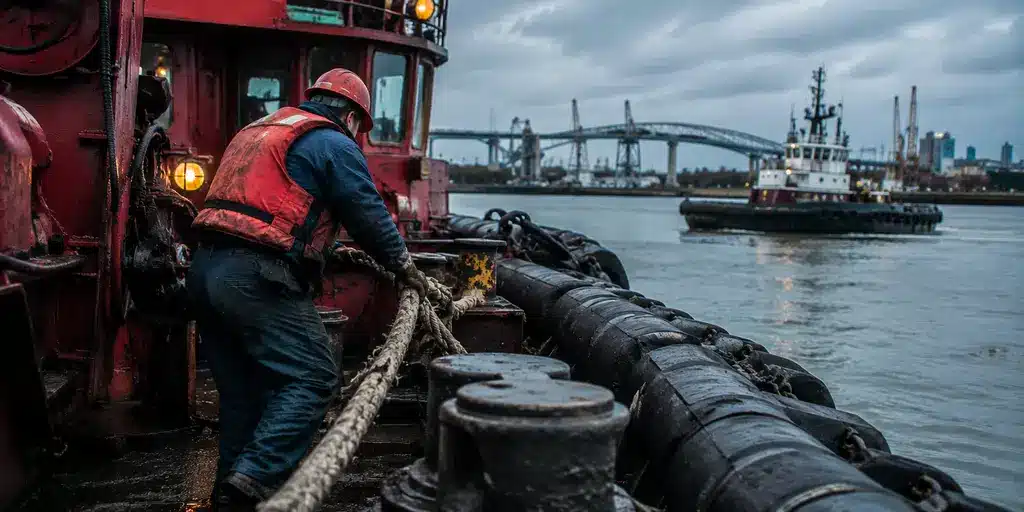
Electricity powers nearly every aspect of offshore operations—from drilling equipment and pumps to lighting systems and communication networks.
When electrical systems fail or proper safety procedures are ignored, workers may suffer life-changing injuries in seconds.
Unlike machinery failures or crane accidents, electrocution incidents involve unique hazards such as electrical burns, cardiac complications, nerve damage, and secondary injuries caused by falls or explosions.
Understanding your legal rights after an offshore electrocution injury is an important step toward protecting your future.
Quick Answer
Electrocution injuries offshore can occur because of exposed wiring, faulty equipment, damaged power systems, or unsafe work practices. If negligence or unsafe working conditions contributed to your injuries, you may have legal rights under the Jones Act, general maritime law, or other applicable maritime statutes.
What Is an Offshore Electrocution Injury?
An offshore electrocution injury occurs when a worker is exposed to electrical current while performing duties on a vessel, offshore platform, drilling rig, or production facility.
These accidents may involve:
- energized electrical panels
- damaged wiring
- generators
- power distribution systems
- portable electrical tools
- motors
- lighting systems
- control equipment
Because offshore environments combine electricity, water, and metal structures, electrical hazards require strict safety precautions.
What This Means
An electrical accident is not limited to direct contact with a live wire. Faulty equipment, inadequate grounding, damaged insulation, or improper lockout procedures can all expose workers to dangerous electrical currents.
Why Are Electrocution Risks Higher Offshore?
Offshore workplaces present unique electrical hazards.
Workers often perform tasks in environments involving:
- seawater
- moisture
- confined spaces
- metal walkways
- high-powered industrial equipment
- temporary electrical systems
These conditions can increase the risk of electrical shock if equipment is not properly maintained or safety procedures are not followed.
Common Causes of Offshore Electrocution Injuries
Many electrical accidents are preventable and frequently stem from systemic offshore equipment failures.
Damaged Electrical Wiring
Frayed cables, exposed conductors, or deteriorated insulation may expose workers to live electricity.
Faulty Electrical Equipment
Defective motors, switches, panels, or electrical tools may create hazardous conditions.
Improper Lockout/Tagout Procedures
Electrical equipment should be properly de-energized before maintenance begins. Failure to isolate power sources may expose workers to unexpected electrical current.
Water Exposure
Water increases electrical conductivity and may increase the severity of electrical accidents. Leaks, flooding, or wet working conditions require additional safety precautions and often lead to severe slip and fall accidents on offshore vessels.
Inadequate Equipment Maintenance
Routine inspection and maintenance help identify electrical hazards before accidents occur. Ignoring damaged electrical components may significantly increase risk.
Unsafe Work Practices
Examples include:
- bypassing safety procedures
- using damaged extension cords
- working near energized equipment without proper protection
- failing to use appropriate personal protective equipment
Common Injuries Caused by Electrocution
Electrical accidents often cause more than visible burns.
Common offshore injuries include:
- electrical burns
- cardiac arrest
- irregular heart rhythms
- nerve damage
- muscle injuries
- traumatic brain injuries
- fractures from falls
- spinal injuries
- vision or hearing damage
Some complications may not become apparent immediately after the accident.
What This Means
Workers who appear to have only minor electrical burns may still suffer internal injuries, heart complications, or nerve damage. Prompt medical evaluation is important even when symptoms seem limited. In catastrophic cases, severe electrical shocks can lead to maritime wrongful death claims.
Secondary Injuries After Electrical Shock
Many offshore electrocution accidents also involve secondary trauma.
Examples include:
- falling from ladders
- falling from elevated platforms
- striking nearby machinery
- being thrown by the electrical current
These injuries may significantly increase the overall severity of the accident.
Who May Be Responsible?
Depending on the circumstances, several parties may potentially share responsibility.
Employers
Employers may be responsible for failing to maintain safe working conditions or follow electrical safety procedures.
Vessel Owners
Unsafe vessel conditions involving electrical systems may create liability under maritime law, whether on drillships, tugs, or barges.
Maintenance Contractors
Contractors responsible for inspecting or repairing electrical systems may contribute if negligent work created dangerous conditions.
Equipment Manufacturers
Defective electrical equipment or components may create additional legal claims. Determining responsibility often requires investigating both the electrical system and the events leading to the accident.
Can the Jones Act Apply?
Many offshore workers qualify as seamen under the Jones Act.
If employer negligence contributed to an electrocution injury, an injured worker may have a Jones Act claim.
Examples include:
- failure to repair damaged wiring
- inadequate safety training
- unsafe maintenance procedures
- failure to follow lockout/tagout practices
- failure to provide appropriate protective equipment
Can an Unseaworthiness Claim Apply?
In some situations, yes.
If defective electrical systems or unsafe conditions make a vessel unseaworthy, an injured worker may also have a claim under general maritime law.
These claims differ from Jones Act negligence claims and may exist at the same time. Regardless of fault, injured seamen are also generally entitled to maintenance and cure while recovering.
What Compensation May Be Available?
Depending on the applicable maritime law, compensation may include:
- Medical Expenses: Emergency treatment, hospitalization, surgeries, rehabilitation, and future care.
- Lost Wages: Income lost while recovering from injuries.
- Future Loss of Earning Capacity: Compensation if permanent injuries affect future employment.
- Pain and Suffering: Recovery may include physical pain and emotional distress where permitted under applicable law.
- Permanent Disability: Electrical injuries sometimes result in long-term neurological or cardiac impairments.
What Evidence Helps Support an Electrocution Claim?
Important evidence may include:
- electrical inspection records
- maintenance logs
- lockout/tagout documentation
- equipment maintenance records
- incident reports
- witness statements
- photographs
- electrical testing reports
- safety training records
Preserving this evidence may help establish how the accident occurred.
What Should You Do After an Offshore Electrocution?
If possible:
- Seek emergency medical treatment immediately.
- Report the incident to your employer.
- Document the accident scene if it is safe to do so.
- Identify witnesses.
- Follow all medical recommendations.
- Preserve any available photographs or communications.
Even if symptoms appear minor, electrical injuries should always be evaluated by medical professionals.
Why Electrocution Cases Require Technical Investigation
Electrical accidents often require detailed analysis of:
- power distribution systems
- maintenance history
- equipment inspections
- safety procedures
- lockout/tagout compliance
- electrical testing
Understanding why the electrical system failed often helps determine whether negligence contributed to the injury.
When Should You Contact a Louisiana Maritime Lawyer?
Legal guidance from a qualified Louisiana maritime accident lawyer may be especially important when:
- electrical injuries are serious
- faulty equipment is suspected
- multiple companies worked on the electrical system
- employer negligence may have contributed
- Jones Act rights may apply
Prompt investigation can help preserve technical evidence before repairs or modifications occur.
Speak With a Louisiana Offshore Injury Attorney
Offshore electrocution injuries can result in permanent physical and financial consequences.
J. Minos Simon, LTD represents workers as a dedicated offshore injury lawyer in Louisiana in claims involving:
- offshore electrocution injuries
- Jones Act claims
- maritime negligence
- unseaworthiness claims
- offshore workplace accidents
If you were injured in an offshore electrical accident, contact us today for a free consultation to discuss your legal rights and options.
FAQs
What causes most offshore electrocution injuries?
Common causes include damaged wiring, faulty electrical equipment, inadequate maintenance, unsafe work practices, water exposure, and failures to follow lockout/tagout procedures.
Can I file a Jones Act claim after an electrical injury offshore?
If you qualify as a seaman and employer negligence contributed to your injuries, you may have legal rights under the Jones Act.
Who may be responsible for an offshore electrocution accident?
Depending on the facts, responsibility may involve employers, vessel owners, maintenance contractors, or equipment manufacturers.
What injuries commonly result from electrical accidents?
Electrical accidents may cause burns, cardiac injuries, nerve damage, traumatic brain injuries, fractures, spinal injuries, and permanent disabilities.
Why is immediate medical care important after an electrical shock?
Electrical injuries can affect the heart, nervous system, and internal organs even when external burns appear minor. Prompt evaluation helps identify complications that may not be immediately visible.
Recommended Authority Sources
- Jones Act (46 U.S.C. § 30104)
- Occupational Safety and Health Administration (OSHA) – Electrical Safety Standards
- Bureau of Safety and Environmental Enforcement (BSEE)
- National Institute for Occupational Safety and Health (NIOSH)
- U.S. Coast Guard
- Cornell Law School Legal Information Institute (LII)
Disclaimer: This article is for informational purposes only and does not constitute legal advice. Every offshore electrocution case is unique, and the legal remedies available depend on the specific facts and applicable maritime law. Consult a qualified Louisiana maritime attorney regarding your situation.