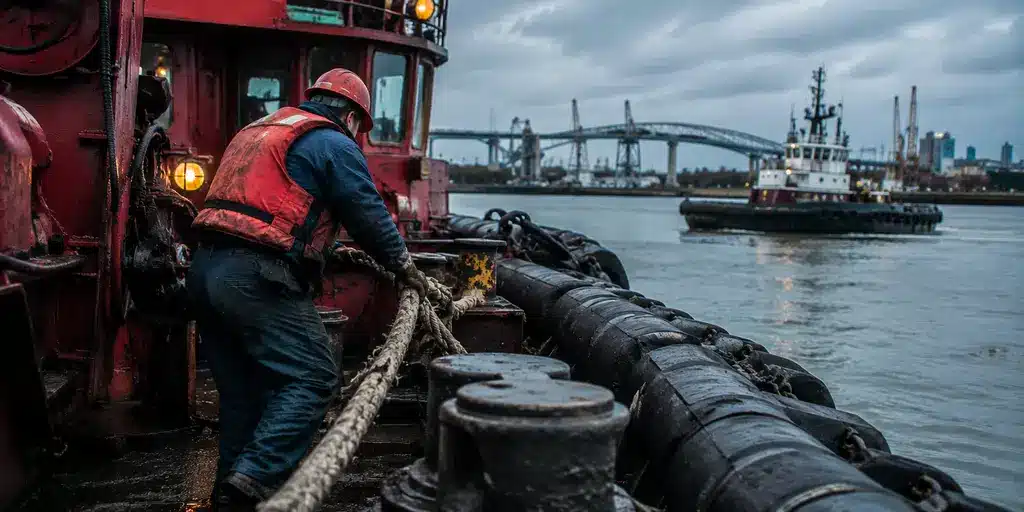
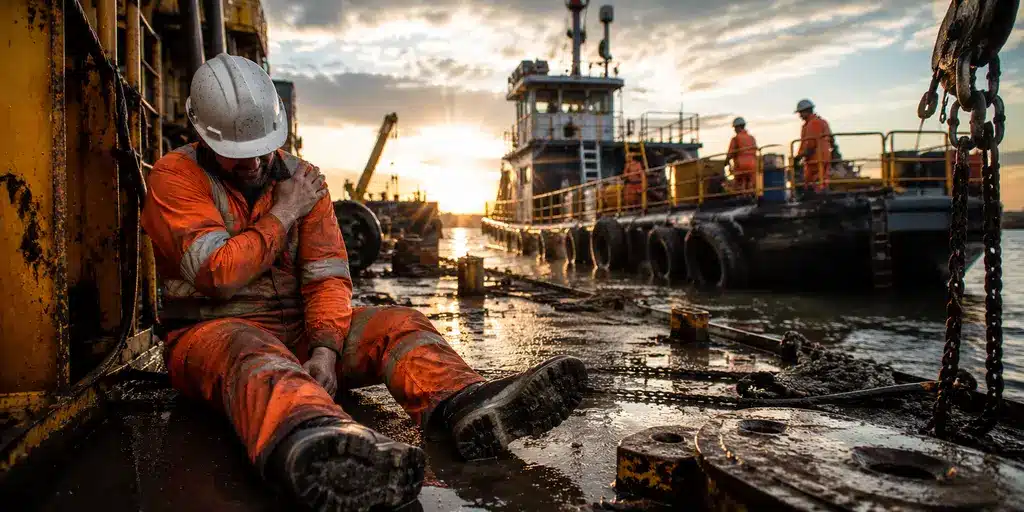
Tugboats play a critical role in Louisiana’s maritime industry, moving barges, assisting large ships, and navigating busy rivers, ports, and offshore waterways.
Although tugboats are relatively small, the work performed aboard them is physically demanding and often takes place around powerful engines, heavy tow lines, moving vessels, and rapidly changing water conditions.
Many tugboat accidents happen during routine operations and can result in life-changing injuries.
Quick Answer
Tugboat workers face unique risks while towing barges, handling heavy lines, maneuvering vessels, and working in confined spaces. Collisions, snapped tow lines, crushing incidents, falls, and winch accidents can cause serious injuries. Depending on the circumstances, injured workers may have legal rights under the Jones Act, general maritime law, or other maritime statutes.
What Makes Tugboat Work Different?
Unlike cargo ships or offshore drilling rigs, tugboats are designed to push, pull, and maneuver other vessels.
Workers routinely perform tasks involving:
- towing operations
- connecting barges
- handling heavy tow lines
- docking large vessels
- operating winches
- deck maintenance
- navigating narrow waterways
These responsibilities create hazards that are unique to tugboat operations.
What This Means
Tugboat injuries often occur during towing and maneuvering—not while operating heavy drilling equipment. The combination of powerful tow lines, moving vessels, and confined working areas creates risks that differ from many other maritime jobs.
Common Tugboat Accidents
Many tugboat accidents involve routine work that suddenly becomes dangerous.
1. Vessel Collisions
Tugboats frequently work in busy waterways alongside barges, cargo ships, and other commercial vessels. Collisions may occur because of limited visibility, communication failures, navigation errors, or changing weather conditions.
2. Tow Line Snap-Back Accidents
Tow lines operate under tremendous tension. If a line breaks or suddenly releases, it can recoil with tremendous force. These “snap-back” incidents are among the most serious common offshore injuries in the maritime industry.
3. Tow Cable Failures
Damaged or improperly maintained tow cables may fail during towing operations. Workers positioned nearby may suffer severe injuries from whipping cables or shifting equipment, often caused by broader offshore equipment failures.
4. Winch Accidents
Winches are used to tighten, release, and control tow lines. Accidents may occur when workers become caught in moving equipment or when mechanical failures occur during operation.
5. Falls on Deck
Tugboat decks may become slippery because of rain, river water, oil, grease, or uneven walking surfaces. These hazard-prone areas frequently cause severe slip and fall accidents on offshore vessels while moving equipment or handling tow lines.
6. Crushing Incidents
Workers may become caught between barges, tugboats, docks, heavy equipment, or moving cargo. These situations are closely linked to common barge accident injuries and often result in catastrophic trauma.
Common Tugboat Injuries
Because tugboat crews work around heavy equipment and moving vessels, injuries are often severe. Common injuries include:
- crush injuries
- fractures
- traumatic brain injuries
- spinal injuries
- shoulder injuries
- hand injuries
- amputations
- drowning after falling overboard
In the most tragic circumstances, severe accidents can lead to fatal incidents on the water, giving families grounds to pursue maritime wrongful death claims. Some surviving workers are simply unable to return to maritime employment following a serious accident.
What This Means
A tugboat accident may involve more than one injury. For example, a worker struck by a snapped tow line may also fall onto the deck or into the water, resulting in multiple serious injuries.
Why Do Tugboat Accidents Happen?
Many accidents are linked to preventable safety issues. Examples include:
- Poor Communication: Towing operations require close coordination between crew members. Miscommunication can quickly create dangerous situations.
- Equipment Problems: Winches, tow cables, and other equipment require routine inspection and maintenance. Mechanical failures may increase accident risks.
- Inadequate Training: Crew members should receive appropriate training before participating in towing operations, line handling, or complex deck maneuvers like crew transfer operations.
- Unsafe Deck Conditions: Poor housekeeping, damaged walking surfaces, and inadequate lighting may contribute to falls or electrical hazards, including offshore electrocution injuries.
- Weather Conditions: High winds, strong currents, fog, and rough water may make tugboat operations more hazardous.
Who May Be Responsible?
Depending on the circumstances, responsibility may involve:
- Employers: Employers may be responsible for unsafe work practices or inadequate training.
- Vessel Owners: Unsafe vessel conditions may contribute to maritime claims.
- Towing Companies: Companies responsible for towing operations may contribute when unsafe procedures are used.
- Maintenance Contractors: Improperly maintained winches, tow cables, or other equipment may increase accident risks.
Determining liability depends on the specific circumstances surrounding the accident.
Can the Jones Act Apply?
Many tugboat workers qualify as a seaman under the Jones Act. If employer negligence contributed to the accident, an injured worker may have a Jones Act claim.
Examples include:
- unsafe towing procedures
- inadequate crew training
- failure to maintain equipment
- poor supervision
- failure to correct known hazards
Understanding the differences between the Jones Act and workers’ compensation for offshore workers is essential for injured deckhands and crew members seeking maximum recovery.
Can an Unseaworthiness Claim Apply?
Yes. If unsafe conditions make a vessel unseaworthy, an injured worker may also have an unseaworthiness claim.
Examples include:
- defective tow equipment
- unsafe deck conditions
- malfunctioning winches
- inadequate safety equipment
These claims are separate from Jones Act negligence claims.
What Compensation May Be Available?
Depending on the applicable maritime law, injured seamen are generally entitled to basic living and medical support under maintenance and cure benefits. Beyond that, compensation in a broader lawsuit may include:
- Medical Expenses: Emergency care, surgery, rehabilitation, and future treatment.
- Lost Wages: Income lost while recovering.
- Future Loss of Earning Capacity: Compensation when injuries affect future employment.
- Pain and Suffering: Physical pain and emotional distress may be recoverable in appropriate cases.
- Permanent Disability: Serious tugboat accidents frequently result in long-term physical impairments.
What Evidence Helps Support a Tugboat Accident Claim?
Important evidence may include:
- towing logs
- vessel records
- maintenance reports
- tow cable inspection records
- incident reports
- witness statements
- photographs
- weather reports
- safety meeting documentation
Prompt preservation of evidence often helps investigators determine what happened.
What Should You Do After a Tugboat Accident?
If your injuries allow:
- Seek immediate medical attention
- Report the accident to your supervisor
- Preserve photographs when possible
- Identify witnesses
- Follow all recommended medical treatment
- Document the events leading to the accident
Why Tugboat Accident Cases Can Be Complex
Many tugboat accidents involve multiple vessels, towing companies, cargo operators, contractors, and vessel owners. Determining responsibility often requires reviewing vessel operations, towing procedures, maintenance records, and communications between crews.
When Should You Contact a Louisiana Maritime Lawyer?
Legal guidance may be especially important when serious injuries occur, towing operations contributed to the accident, multiple companies were involved, equipment failures are suspected, or Jones Act rights apply. Early investigation can help preserve important evidence before operations resume.
Partnering with a skilled Louisiana maritime accident lawyer ensures that critical evidence is preserved and your legal rights are protected from day one.
Speak With a Louisiana Maritime Injury Attorney
Tugboat accidents can leave workers facing significant medical expenses, lost income, and long-term recovery.
The legal team at J. Minos Simon, LTD represents Louisiana maritime workers in claims involving:
- tugboat accidents and injuries
- Jones Act claims
- maritime negligence
- offshore injuries
- unseaworthiness claims
If you were injured while working aboard a tugboat, contact us today for a free consultation to discuss your legal rights and options.
FAQs
What are the most common tugboat accidents?
Common tugboat accidents include vessel collisions, tow line snap-back incidents, tow cable failures, winch accidents, falls on deck, and crushing injuries during towing operations.
Why are tow line accidents so dangerous?
Tow lines operate under extreme tension. If a line breaks or releases unexpectedly, it can snap back with tremendous force and cause catastrophic injuries.
Can tugboat workers file a Jones Act claim?
Many tugboat workers qualify as seamen under the Jones Act. If employer negligence contributed to the accident, they may have legal rights under federal maritime law.
What injuries commonly occur on tugboats?
Common injuries include crush injuries, fractures, traumatic brain injuries, spinal injuries, amputations, drowning incidents, and shoulder or hand injuries.
What evidence is important after a tugboat accident?
Towing logs, maintenance records, vessel reports, tow cable inspections, witness statements, photographs, and incident reports often play an important role in investigating the accident.
Recommended Authority Sources
- Jones Act (46 U.S.C. § 30104)
- U.S. Coast Guard
- Occupational Safety and Health Administration (OSHA)
- Bureau of Safety and Environmental Enforcement (BSEE)
- American Waterways Operators (AWO)
- Cornell Law School Legal Information Institute (LII)
Disclaimer: This article is for informational purposes only and does not constitute legal advice. Every maritime injury case is unique, and the legal remedies available depend on the specific facts and applicable maritime law. Consult a qualified Louisiana maritime attorney regarding your situation.