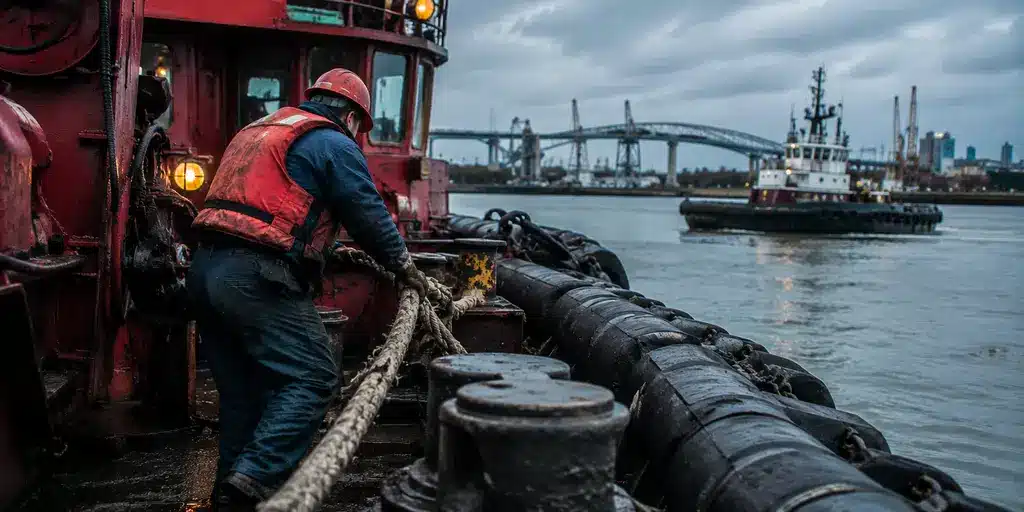
One of the most important questions in any maritime injury case is:
“Am I considered a seaman under the Jones Act?”
The answer matters because seaman status can determine whether an injured worker may have access to important legal protections unavailable to many other employees.
If you qualify as a seaman, you may have rights under:
- The Jones Act
- General Maritime Law
- Maintenance and Cure remedies
If you do not qualify, different laws may apply, including:
- Longshore and Harbor Workers’ Compensation Act (LHWCA)
- State workers’ compensation systems
- Other federal maritime laws
Because offshore and maritime jobs vary significantly, determining seaman status is often one of the first issues addressed after an injury.
Why Seaman Status Matters
The Jones Act provides legal protections for qualifying maritime workers who suffer injuries because of employer negligence.
Unlike traditional workers’ compensation systems, Jones Act claims may allow recovery for:
- lost wages
- future lost earning capacity
- pain and suffering
- medical expenses
- disability-related losses
However, these rights generally apply only to workers who meet the legal definition of a seaman.
For a comparison between maritime protections and traditional workplace injury benefits, see Jones Act vs Workers’ Compensation: Which Applies to Offshore Workers?
The Jones Act Does Not Cover Every Maritime Worker
A common misconception is that everyone who works near water qualifies under the Jones Act.
That is not correct.
Many workers involved in maritime industries are not considered seamen under federal law.
Examples may include:
- dock workers
- longshore workers
- harbor workers
- shipyard workers
- port employees
Although these workers may have important legal protections, they often arise under different laws.
What Is the Legal Test for Seaman Status?
Federal courts have developed guidelines for determining whether a worker qualifies as a seaman.
Generally speaking, two major requirements are often considered:
1. The Worker Must Contribute to the Function or Mission of a Vessel
2. The Worker Must Have a Substantial Connection to a Vessel or Fleet of Vessels in Navigation
Both requirements are important.
Requirement #1: Contribution to the Vessel’s Mission
The first requirement is usually interpreted broadly.
A worker does not necessarily need to operate the vessel directly.
Instead, courts often examine whether the worker contributes to the vessel’s purpose or mission.
Examples may include:
- deckhands
- captains
- engineers
- crew members
- vessel maintenance personnel
- offshore workers assigned to vessel operations
The worker’s role must generally help the vessel perform its intended function.
Requirement #2: Substantial Connection to a Vessel
This is often the more heavily disputed issue.
The worker must generally have a substantial employment-related connection to a vessel or an identifiable fleet of vessels.
The connection must be duration-based and nature-based.
Courts typically look at both factors when evaluating seaman status.
What Does “Substantial Duration” Mean?
Courts often consider how much of a worker’s job is spent aboard vessels.
While there is no absolute rule, courts frequently discuss a guideline of approximately:
30% of work time
spent in service of a vessel or fleet.
This is not a strict legal requirement.
However, it is often used as a reference point when evaluating maritime employment.
Each case depends on its specific facts.
What Does “Substantial Nature” Mean?
The connection must also expose the worker to maritime risks associated with vessel operations.
Examples include:
- offshore transportation
- vessel movement
- deck operations
- marine weather conditions
- navigation-related activities
Workers whose duties are primarily land-based may have difficulty establishing this requirement.
What Is a Vessel in Navigation?
Another important issue is whether the worker is connected to a:
Vessel in Navigation
Under maritime law, a vessel generally refers to a watercraft capable of transportation on navigable waters.
Examples may include:
- tugboats
- barges
- supply vessels
- crew boats
- fishing vessels
- cargo ships
- offshore support vessels
The vessel does not necessarily need to be moving at the moment of injury.
However, it generally must remain operational and capable of maritime transportation.
Workers involved in vessel-related accidents may also need to understand whether unsafe vessel conditions contributed to their injuries. Learn more about what makes a vessel unseaworthy.
Can Offshore Oilfield Workers Qualify as Seamen?
Yes, some offshore workers may qualify.
Louisiana’s offshore industry creates many situations where Jones Act coverage becomes relevant.
Examples may include:
- crew boat personnel
- offshore vessel workers
- supply vessel employees
- marine transportation crews
However, not every offshore worker automatically qualifies.
Eligibility often depends on:
- job duties
- vessel assignment
- work location
- employment structure
Examples of Workers Who Often Qualify
Depending on the facts, workers who may qualify include:
- Deckhands: Crew members responsible for vessel operations and maintenance.
- Captains and Pilots: Individuals operating and navigating vessels.
- Engineers: Workers maintaining vessel machinery and systems.
- Tugboat Crew Members: Workers assigned to tugboat operations.
- Commercial Fishing Crews: Individuals working aboard fishing vessels.
- Offshore Supply Vessel Workers: Employees assigned to vessels supporting offshore operations.
Examples of Workers Who May Not Qualify
Workers who may fall under other legal systems include:
- Longshore Workers: Employees loading and unloading vessels.
- Dock Workers: Workers primarily performing shore-based duties.
- Harbor Workers: Individuals maintaining waterfront facilities.
- Shipyard Workers: Employees engaged in vessel construction or repair.
- Port Personnel: Workers whose duties are primarily land-based.
These workers may have rights under the Longshore and Harbor Workers’ Compensation Act rather than the Jones Act.
What If You Work on Multiple Vessels?
A worker does not necessarily need to be assigned to only one vessel.
Courts may recognize a substantial connection to:
An Identifiable Fleet of Vessels
if the vessels are under common ownership or control.
This issue frequently arises in offshore and maritime employment settings.
Why Employers Sometimes Dispute Seaman Status
Seaman status can significantly affect potential liability.
As a result, employers and insurers sometimes challenge whether a worker qualifies under the Jones Act.
Common arguments include:
- duties were primarily land-based
- vessel connection was temporary
- insufficient time was spent aboard vessels
- the worker was not exposed to maritime risks
Because eligibility affects available remedies, seaman status disputes are common in maritime injury litigation.
Evidence Used to Establish Seaman Status
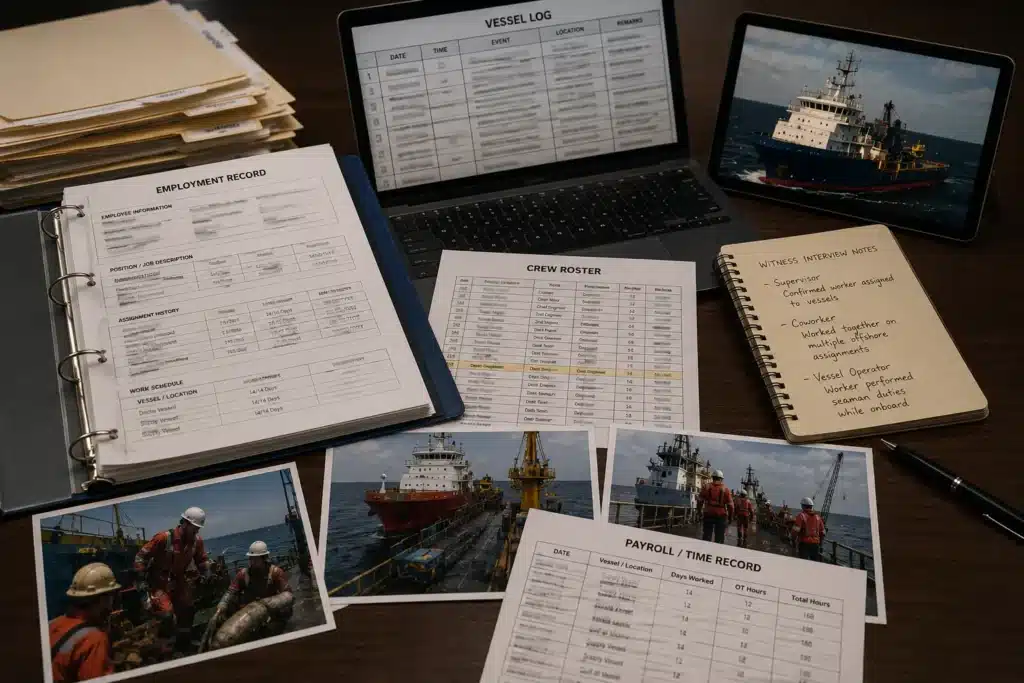
Important evidence may include:
Employment Records
- job descriptions
- assignments
- work schedules
Vessel Records
- crew rosters
- vessel logs
- assignment records
Testimony
- supervisors
- coworkers
- vessel operators
Payroll and Time Records
- vessel-related work history
- offshore assignments
This evidence often helps determine whether the worker satisfies Jones Act requirements.
What Rights Does a Jones Act Seaman Have?
Depending on the circumstances, qualifying seamen may have access to:
Jones Act Negligence Claims
Claims based on employer negligence.
Maintenance and Cure
Benefits for medical treatment and living expenses during recovery.
Learn more about what maintenance and cure is.
Unseaworthiness Claims
Claims involving unsafe vessel conditions.
Wrongful Death Remedies
Certain rights may exist when maritime accidents result in fatalities.
Families dealing with fatal maritime accidents may also need to understand maritime wrongful death claims and the legal options available after a loss.
Common Injuries Leading to Jones Act Claims
Examples include:
- offshore falls
- equipment accidents
- crane injuries
- vessel collisions
- slip and falls
- burn injuries
- spinal injuries
- traumatic brain injuries
Many of these injuries occur in demanding offshore environments where maritime law protections become important.
For more information about injury risks in offshore workplaces, see common offshore injuries involving oil rigs and vessels.
Louisiana’s Offshore Industry Creates Unique Jones Act Questions
Because Louisiana is home to:
- offshore oil and gas operations
- commercial fishing industries
- vessel transportation services
- Gulf Coast maritime commerce
questions regarding seaman status arise frequently.
Determining eligibility often requires a careful review of the worker’s actual job duties rather than simply relying on a job title.
When Should You Contact a Louisiana Jones Act Lawyer?
Legal guidance may be especially important when:
- an offshore injury occurs
- seaman status is disputed
- maintenance and cure benefits are denied
- vessel-related accidents are involved
- employers deny responsibility
The sooner eligibility questions are addressed, the easier it may be to preserve important evidence and protect legal rights.
If you were involved in an offshore accident, speaking with a Louisiana Offshore Accident Attorney may help you understand your legal options.
Speak With a Louisiana Jones Act Attorney
Determining whether you qualify as a seaman under the Jones Act can significantly affect the compensation and benefits available after an injury.
J. Minos Simon, LTD represents Louisiana maritime workers in claims involving:
- Jones Act injuries
- Maritime accidents
- vessel injuries
- maintenance and cure disputes
- Maritime negligence claims
If you were injured while working offshore or aboard a vessel, the firm offers free consultations to discuss your legal rights and potential options.
You can contact the firm to learn more about your legal options after an offshore injury.
FAQs
What is a seaman under the Jones Act?
Generally, a seaman is a maritime worker who contributes to a vessel’s mission and has a substantial connection to a vessel or fleet of vessels in navigation.
Do all offshore workers qualify as seamen?
No. Eligibility depends on factors such as job duties, vessel connection, and the amount of time spent working aboard vessels.
Is there a minimum amount of vessel work required?
Courts often reference a guideline of approximately 30% vessel-related work time, but there is no automatic rule and every case depends on its facts.
Are oil rig workers covered by the Jones Act?
Some may qualify, particularly if their work involves a substantial connection to a vessel in navigation. Others may be covered under different maritime laws.
Why does seaman status matter?
Seaman status can determine whether an injured worker may pursue Jones Act negligence claims, maintenance and cure benefits, and other maritime remedies.
Recommended Authority Sources
- Jones Act (46 U.S.C. § 30104)
- U.S. Supreme Court decisions:
- Chandris, Inc. v. Latsis
- Harbor Tug & Barge Co. v. Papai
- U.S. Coast Guard
- Cornell Law School Legal Information Institute (LII)
- Fifth Circuit Maritime Law Decisions
Disclaimer: This article is for informational purposes only and does not constitute legal advice. Determining seaman status under the Jones Act is highly fact-specific and depends on the circumstances of each case. Consult a qualified maritime attorney regarding your situation.